
What’s the difference between chemotherapy & radiotherapy?
When someone says they’re undergoing therapy for cancer treatment, we know most likely they’re talking about chemotherapy or radiotherapy. But what is the difference between chemotherapy and radiotherapy?
Don’t worry, many of The Nightingale staff didn’t know until they started at the centre. We’ve broken down their differences and similarities in simple language to make it easier to understand what they do and how they help to treat people with cancer. Let’s start with the first and most obvious questions…
What is it?

How does it work?
Chemo
The drugs circulate in the bloodstream and work on cancer cells anywhere in the body. Because the drugs pass through the whole system, they’re called ‘systemic’.
Radio
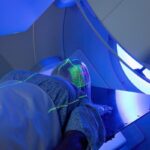
The invisible bursts of energy are aimed at the site of cancer to change the DNA makeup of the tumour.
How is it administered?
Chemo

IV – Needle or tube directly into a blood vessel
Oral – Pill or capsule to swallow
Injection – Needle into the skin or muscles
Radio

External radiation – Machine outside the body shoots beams into the tumour
Internal radiation – Radioactive seed inside the body close to the tumour
Systemic radiation – Radiation pill or liquid taken orally or by injection
What does it target?
Chemo
Cells throughout the body
Radio
Specific tumour sites
What is the goal?
The goal of both chemotherapy and radiotherapy are the same; to either cure, control or slow down cancer
What are the common side effects?
Chemo
Because chemotherapy is systemic, it tends to cause more general effects, hair loss, nausea, fatigue and decreased blood counts.
Radio
Because radiotherapy is a targeted treatment this can cause side effects in the treated spot, skin conditions, fatigue and swelling.
So, which is better?
Now that you know the difference between chemotherapy and radiotherapy, you might be asking which one is better. That’s not the right question to ask because neither is better than the other. The question is always, “Which is better in this circumstance?”.
Treatment options vary for person-to-person, dependent on the type of cancer, stage and overall health. It therefore comes down to which is more appropriate for the person.
Sometimes they’re even used in conjunction with each other when cancer cannot be removed by surgery alone or it’s likely to spread to other areas of the body.
Ultimately the goal of both types of treatment is to destroy the cancer cells while limiting the effects on the rest of your body.